Katlehong came alive on 6 August 2026 as the Pantsula, My World Festival transformed the D.H. Williams Community Centre into a vibrant celebration of dance, fashion, storytelling and township creativity.
Brought by the French Institute of South Africa (IFAS) and Buru Ventures, community, culture and legacy took centre as hundreds of dancers, learners, cultural workers, community members, media and supporters honoured the late Buru Mohlabane. They further reaffirmed Pantsula’s place among South Africa’s most important cultural exports.
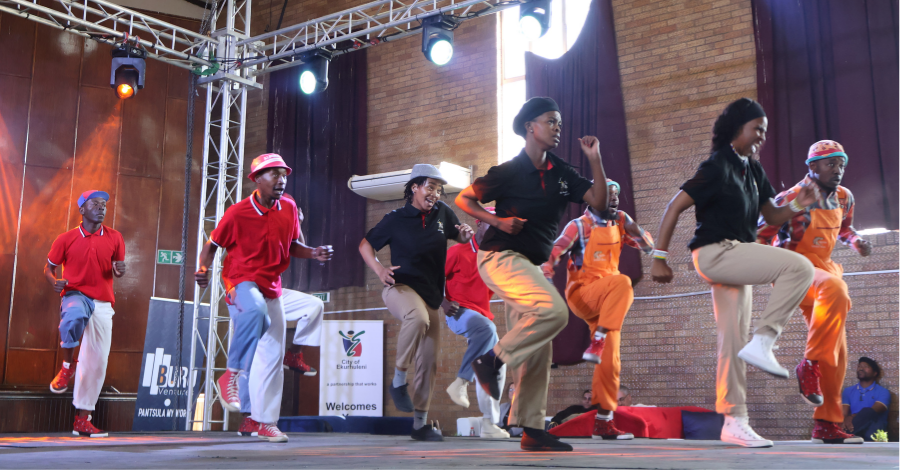
From spotis (bucket hats), delela (dungarees), Dickies and All Stars to razor-sharp footwork, whistling, improvisation and synchronised routines, the festival captured the unmistakable rhythm and identity of Pantsula. The atmosphere was electric as performers of different ages and backgrounds used movement to express joy, pain, resilience and everyday realities in South African townships and villages.
The festival opened with a moment of silence in remembrance of the late Buru, a pantsula pioneer, cultural preserver and driving force behind efforts to document and formalise pantsula methodology. His legacy shaped the day’s proceedings, with speakers and performers reflecting on his vision to preserve the culture, elevate its status and ensure that future generations inherit both its movements and its meaning.
Hosted by Palesa Sello, widely known in pantsula circles as Mshoza, the programme delivered on its promise of powerful performances, community pride and cultural affirmation. Men and women, children and adults, emerging dancers and established crews all stepped onto the stage to showcase the dexterity, discipline and theatrical flair that make pantsula one of South Africa’s most distinctive dance languages.
A defining feature of this year’s festival was the strong presence of women performers. Far from the margins, women were front and centre, with several women-led and women-only groups challenging outdated stereotypes and proving that Pantsula is a space of skill, power, expression and leadership for all.
The performances blended precision and impulse: nifty footwork, hip-twisting movement, tight synchronisation, nimble transitions and moments of theatrical commentary. In keeping with Pantsula’s tradition as a social language, several routines explored themes including drugs, imprisonment, death, domestic life, ambition and community struggle – turning the stage into a space for both entertainment and reflection.
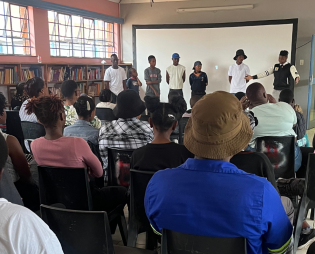
The next generation also had its moment in the spotlight as learners from local primary schools participated in a Jika Majika-style showcase. Primary schools Monde, Reagile and Mogobeng presented routines after being introduced to Pantsula methodology through a transmission programme that combines movement with theory, cultural identity and positive youth development.
Organisers said the schools programme is not only about dance, but also about protecting the future by giving children confidence, discipline, cultural knowledge and constructive alternatives to social pressures such as drugs and crime.
Festival highlights included performances by Shakers and Movers, who expressed joy and pain without words; Mchacho’s Entertainment, whose dramatic, thriller-inspired routine gripped the audience; Skhanda Queens, who delivered an electrifying and thought-provoking reflection on the feminine world, domestic demands and personal ambition; and Red Devils, who added a surprise element of magic to the day’s programme.
For Mshoza, the host, the festival also carried a message of encouragement for women in pantsula. She reflected on being underestimated when she began and urged women to keep claiming space, trusting their talent and building the future of the genre with confidence.
The presence of respected artists and cultural figures, including dancers and choreographers Musa Motha, Luyanda Sidiya and Sello Modiga further underscored the festival’s significance as a gathering point for performers, practitioners and supporters committed to cultural preservation and innovation.
Ntokozo Mohlabane, wife of the late Buru Mohlabane, thanked the audience and participants for keeping his name alive. She encouraged young artists to dream, have faith and remain determined, reminding them that great cultural movements often begin with small steps and grow through commitment, community and belief.
Lungile Mahlangu reflected on Mohlabane’s methodology work and the wider mission behind Pantsula, My World. She said Mohlabane wanted to “document and preserve the culture of pantsula” and challenge the narrow view that Pantsula is merely a street dance. The festival, she noted, represented a continuation of that work by placing pantsula’s history, theory and practice in the hands of teachers, dancers, schools and the broader community.
Speaking on behalf of the City of Ekurhuleni, Sibongile Zwane expressed the City’s honour in supporting the enduring legacy of Mohlabane and affirmed its commitment to advancing youth development through arts and culture. She noted that his artistic excellence continues to inspire young people across Ekurhuleni.
Jean Spiri, Director of the French Institute of South Africa, said the Institute was proud to support Pantsula, My World as part of a broader cultural collaboration involving exchange, learning and community participation. He described Pantsula as more than dance and music, calling it a movement rooted in youth, involvement and heritage, and paid tribute to Mohlabane’s role in helping the genre earn wider recognition in South Africa, France and beyond.
The festival was made possible with support from the French Ministry for Europe and Foreign Affairs; the French Institute of South Africa; the City of Ekurhuleni; CND in Lyon, France; Buru Ventures; and other partners, facilitators and community contributors who continue to invest in the preservation and growth of Pantsula culture.
As the final performances closed, the message from Katlehong was clear: Pantsula is alive, necessary and ready for the world. Pantsula, My World did more than entertain; it affirmed a community’s memory, celebrated a national treasure and strengthened the bridge between heritage, youth development and international cultural exchange.
Problem displaying Facebook posts.
Click to show error